Custom Software vs. Off-the-Shelf: How to Decide
Off-the-shelf software does not always fit the way a business operates. Here is a practical framework for deciding when a custom build actually pays off.
Read article
Most growing businesses collect tools one problem at a time: a spreadsheet for stock, an app for invoices, a separate system for customers. Each solves a need. Together they create a new one: keeping everything in sync.
When sales, inventory, purchasing, accounting and customer records share one source of data, information is entered once and flows where it is needed. A sale updates stock, triggers an invoice and appears in reports without anyone copying it across.
You do not always need a single system for everything. Sometimes the right step is an ERP that replaces several tools. Other times it is connecting the tools you already like through integrations and APIs. The right answer depends on how your business works and where the friction really is.
Map how one transaction, such as a customer order, moves through your business today. Every point where someone re-types information or waits for a report is a candidate for integration, and a good place to start.
Off-the-shelf software does not always fit the way a business operates. Here is a practical framework for deciding when a custom build actually pays off.
Read articleA modern POS is more than a billing system. Explore how integrated POS platforms connect sales, inventory, customers, payments, and business operations.
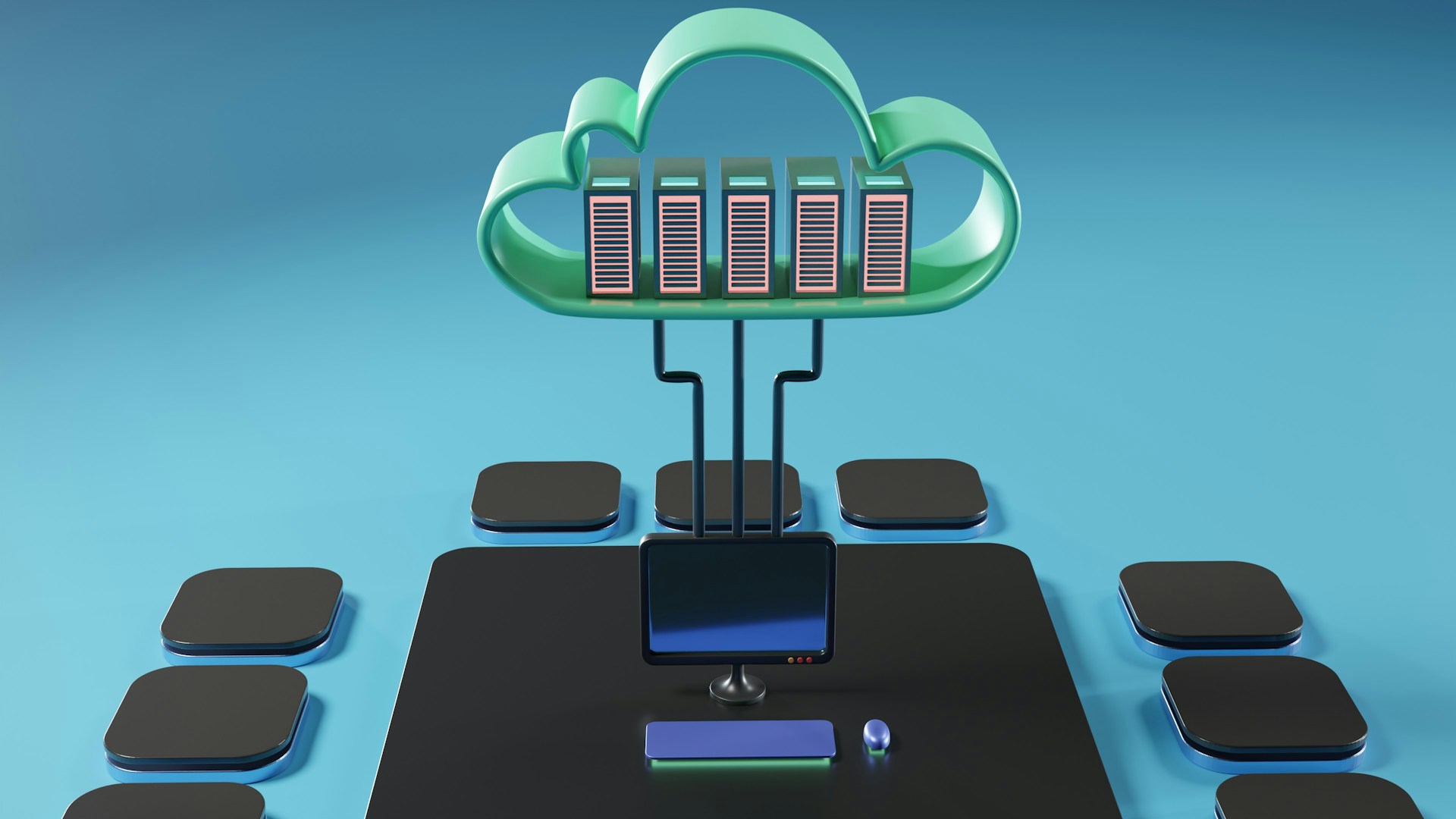
Read articleNot every business needs the same cloud setup. Here is how to think about scalability, cost, and reliability when moving systems off a single server.
Read article
Tell us where you're stuck. We'll show you a practical way forward.